
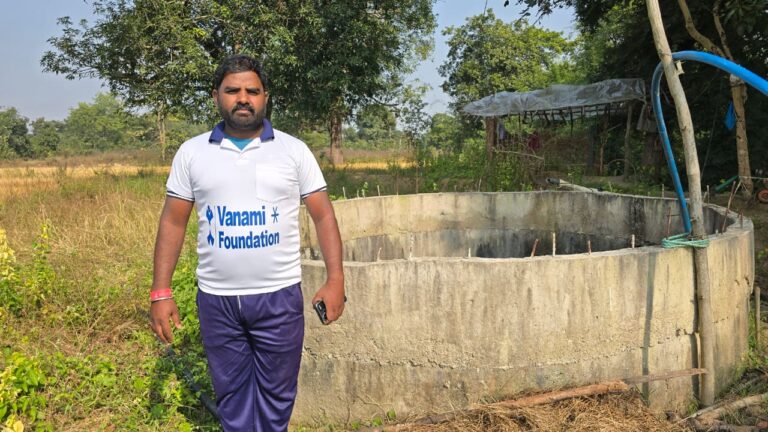
MG-NREGA Convergence refers to strategically integrating the Mahatma Gandhi National Rural Employment Guarantee Act (MGNREGA) with other central and state development programs. By breaking administrative silos, convergence transforms a wage-employment scheme into a powerful engine for permanent, climate-resilient community asset building.
Why Convergence is Key to Sustainable Rural Development
1. High-Impact Natural Resource Management (NRM)
Through convergence with Agriculture, Forest, and Minor Irrigation departments, wage labor is mobilized to construct continuous contour trenches (CCT), loose boulder checks, check dams, and farm ponds. This "Ridge to Valley" watershed treatment retains rainwater, halts soil erosion, and replenishes dried wells.
2. Climate-Resilient Agriculture Assets
Convergence enables land leveling, composting pits, cattle sheds, and irrigation pipelines on individual tribal and marginal farmer plots, turning barren tracts into multi-cropped arable fields.
3. Eliminating Duplication & Maximizing Resources
Rather than operating isolated schemes, combining MGNREGA labor funds with technical scheme outlays (such as PMKSY, NRLM, and Horticulture missions) ensures that funds go further and infrastructure meets rigorous engineering standards.
4. Transparent Panchayati Raj Empowerment
Gram Sabhas play the central role in social audits, project selection, and monitoring asset maintenance. Vanami Foundation facilitates technical estimates, muster roll transparency, and timely wage disbursement support.
Convergence In Action: Our Focus in Vidarbha
In districts like Gondia and Bhandara, Vanami Foundation actively assists Gram Panchayats with participatory rural appraisal (PRA), watershed planning, and plantation convergence to maximize wage days while guaranteeing green community assets.